Refining Process & Technology

Home | Refining Process & Technology

Refining Process & Technology — How We Turn Crude into Value

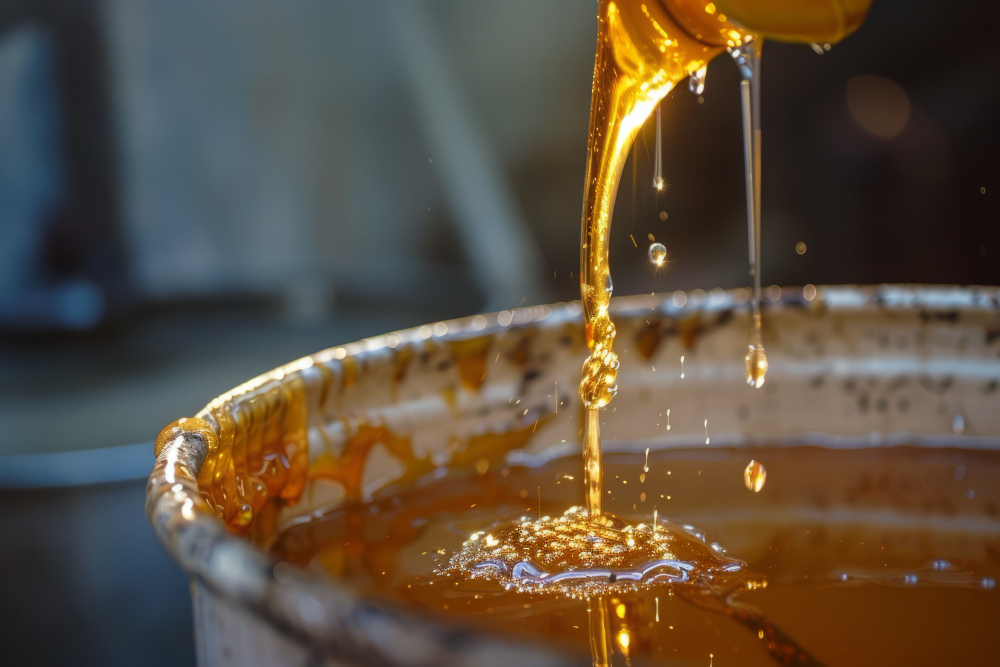
The crude oil grades produced in the Mangystau Region of Kazakhstan are characteristically heavy and viscous, requiring a refining approach specifically tailored to handle high-density, high-sulphur feedstocks. KazNPZ’s process design reflects the properties of this local crude — optimised to maximise yield of our key output products while maintaining energy efficiency and environmental compliance.

Step 1: Crude Oil Intake & Storage

Crude oil is received at KazNPZ via pipeline connections from producing fields in the Mangystau Region. Incoming crude is tested in our onsite laboratory for API gravity, sulphur content, water-and-sediment levels, and salt content before being directed to pre-treatment and atmospheric distillation. Storage tanks maintain a buffer inventory to ensure continuous plant operation.

Step 2: Desalting & Pre-Treatment

Crude oil undergoes electrostatic desalting to remove water-dissolved salts and suspended sediments. This step is critical to protecting downstream equipment from corrosion and fouling, and to ensuring consistent product quality. Effective pre-treatment is especially important for the heavier, more contaminated crude grades typical of the Mangystau region.

Step 3: Atmospheric Distillation Unit (ADU)

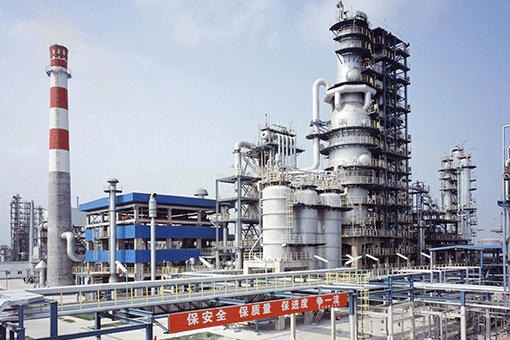
The atmospheric distillation unit is the heart of the refinery. Crude oil is heated in a furnace and fed into the distillation column, where it is separated into fractions based on boiling-point differences. KazNPZ’s ADU yields LPG, naphtha, kerosene/diesel distillates, and a heavy atmospheric residue that proceeds to further processing.

Step 4: Vacuum Distillation Unit (VDU)

The heavy atmospheric residue from the ADU is further distilled under vacuum conditions to recover additional valuable distillate fractions (vacuum gas oil) and to produce the vacuum residue that becomes the feedstock for bitumen production. The VDU is particularly important at KazNPZ given that bitumen is one of our primary marketable outputs.

Step 5: Bitumen Production Unit

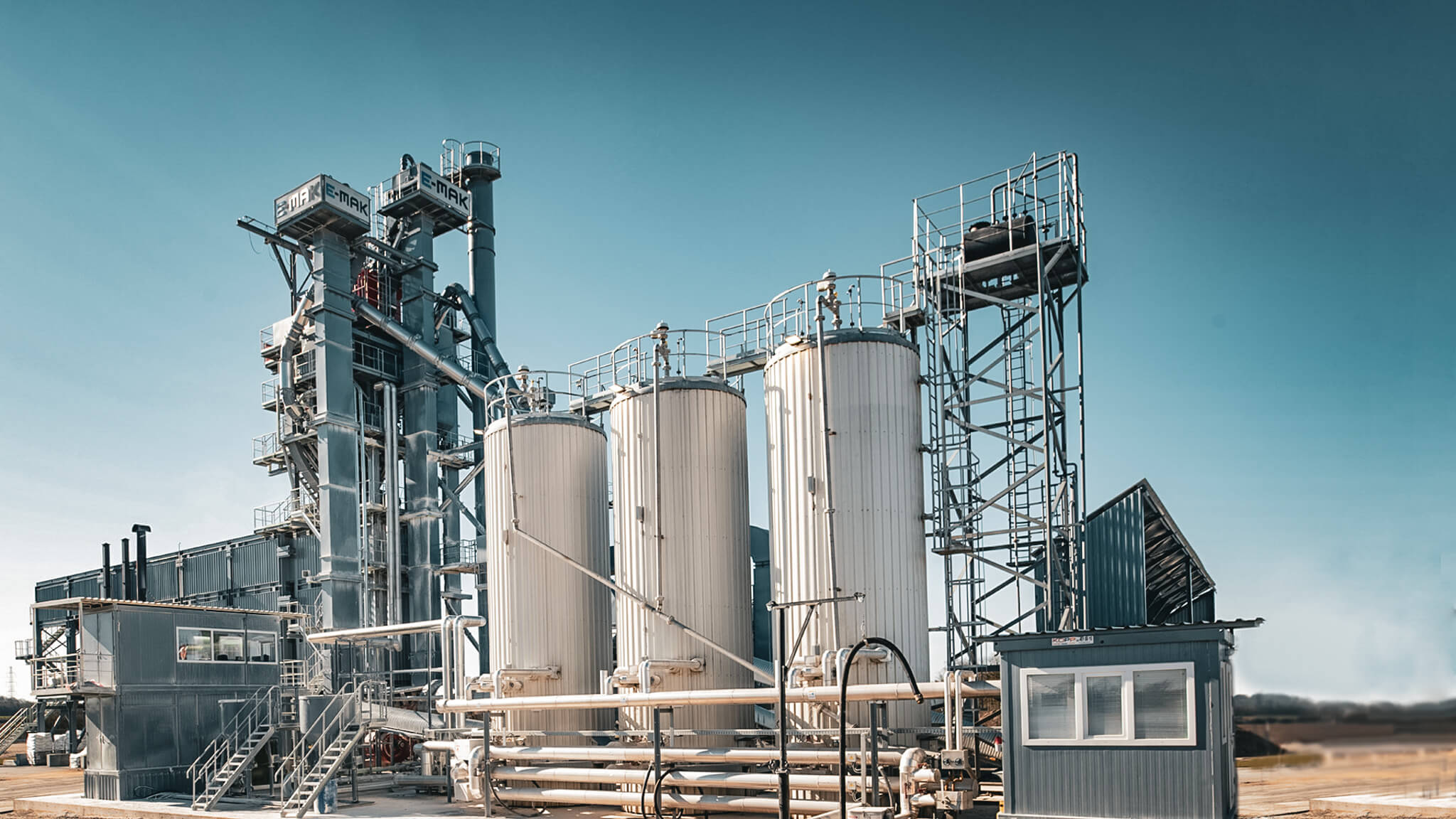
Vacuum residue is processed through our bitumen oxidation unit — where controlled hot-air blowing converts it into road-grade bitumen of varying penetration grades. This unit is central to KazNPZ’s product strategy, producing bitumen that meets the demanding requirements of Kazakhstan’s road construction sector.

Step 6: Product Blending, Testing & Despatch

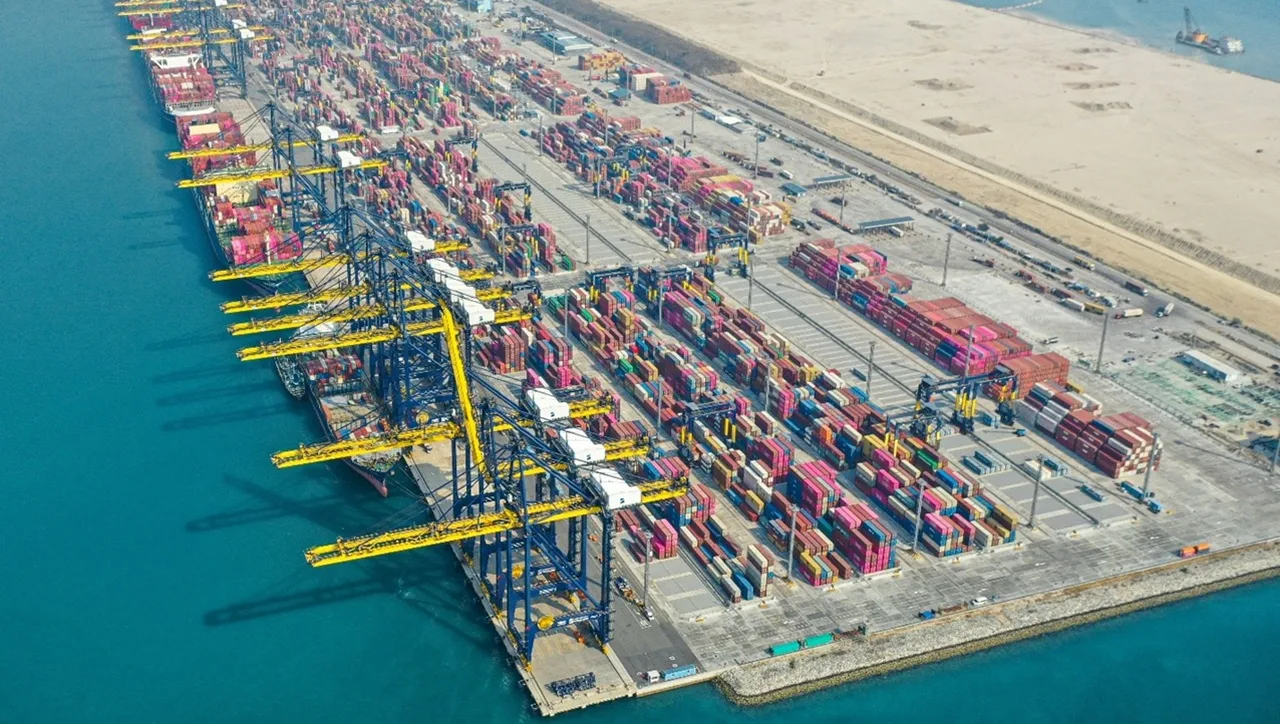
All finished products pass through our quality control laboratory before being released for despatch. Blending operations allow product specification adjustment. Products are despatched via rail tanker cars, road tankers, or through the Aktau port for maritime shipment.